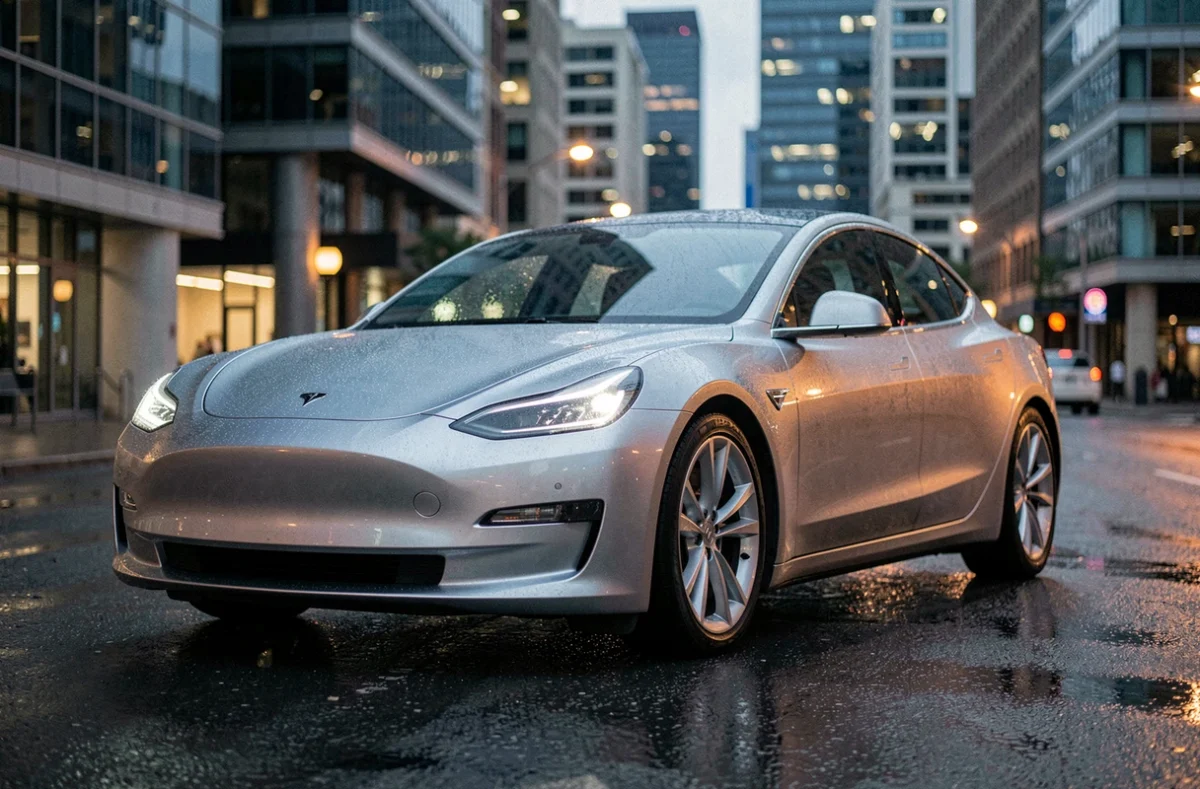
The automotive innovations in 2024 are not just about more powerful engines or larger screens. Several changes affect the deeper layers of the vehicle: how it communicates with the electrical grid, how it protects itself against cyberattacks, and the European regulations that now govern its charging. These developments are reshaping what we expect from a car on a daily basis.
Automotive Cybersecurity: A Design Requirement Since 2024
Have you noticed that your car receives updates, much like a smartphone? This parallel is not insignificant. A connected vehicle continuously exchanges data with remote servers, mobile applications, and sometimes other vehicles.
To regulate these exchanges, the UNECE regulations R155 and R156 impose two specific requirements on manufacturers. First, an integrated cybersecurity management system from the design phase. Second, a software update process maintained throughout the vehicle’s lifecycle.
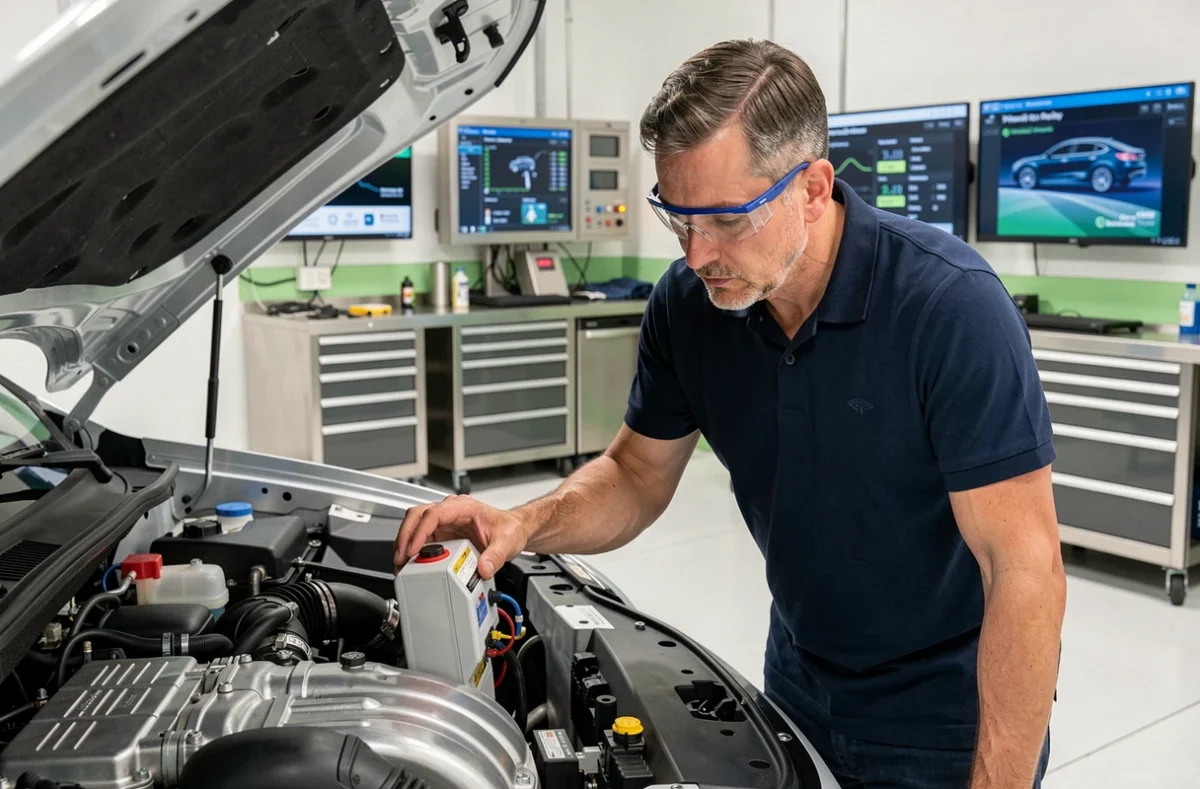
In practical terms, a manufacturer must monitor the vulnerabilities of its models after sale and deploy patches if a flaw is detected. The automobile thus becomes a product that needs to be maintained over time, both in terms of IT and mechanical aspects. The technical sheets available on systeme-auto.com help to better understand the electronic architecture of recent models.
This requirement has a direct impact on development costs. Each new type of vehicle approved in Europe must prove its compliance with these regulations. Manufacturers without dedicated cybersecurity teams must outsource this expertise, which redistributes the balance between large groups and small manufacturers.
AFIR Regulation and Charging on Major European Routes
The European AFIR regulation (EU 2023/1804), applicable since April 13, 2024, changes the rules of the game for electric vehicle charging. Why is this text so important? Because it does not simply call for “more charging stations.” It sets functional requirements.
Contactless payment becomes a standard to be respected at public charging stations. Charging on demand, without mandatory subscriptions, is also provided for. And each station must be digitally connected to transmit its availability and operational status in real time.
On paper, the idea is simple: a driver should be able to charge on any major European route, pay without a special card, and know in advance if the station is operational. In practice, feedback from the field still reports discrepancies between the availability displayed online and the actual status of the stations.
The regulation also provides for the evaluation of smart and bidirectional charging, a topic that opens up perspectives far beyond just “refueling.”
Bidirectional Charging: When the Car Powers the Home
The concept of bidirectional charging comes in two variants. V2H (vehicle-to-home) allows the vehicle’s battery to power a home in case of need. V2G (vehicle-to-grid) goes further: the car returns electricity to the public grid.
The communication between the vehicle and the station relies on the ISO 15118 standard. This standard manages the data exchange necessary for the station to know how much energy the vehicle can provide and under what conditions.
The Questions That Technology Alone Does Not Solve
Behind the technical aspect, several issues remain open:
- The compensation for the user who provides electricity to the grid is not yet harmonized among European countries
- The precise measurement of incoming and outgoing energy flows raises questions of metering and taxation
- The impact on battery lifespan is debated, as each additional charge-discharge cycle contributes to its degradation
- The cybersecurity of these energy exchanges adds a layer of complexity, as the vehicle becomes an active node in the electrical grid
A vehicle parked all day in a corporate parking lot could theoretically sell its surplus solar energy stored the day before. This scenario already exists in pilot projects, but the European regulatory framework is still under construction.
Reliability of Charging Stations: The Gap Between Promise and Reality
The AFIR regulation imposes digital connectivity for charging stations. The goal: to display their availability in real time on navigation applications. But the promise of “real-time visible charging” still faces operational reality.
Drivers regularly report stations shown as available that are actually out of service. This discrepancy often arises from a failure in information transfer between the physical station and the digital platform.
A station displayed as available but out of service remains the primary frustration for electric vehicle users on long trips. This issue is not strictly technical: sensors exist. The difficulty lies in the maintenance of the network and the quality of the data transmitted by operators.
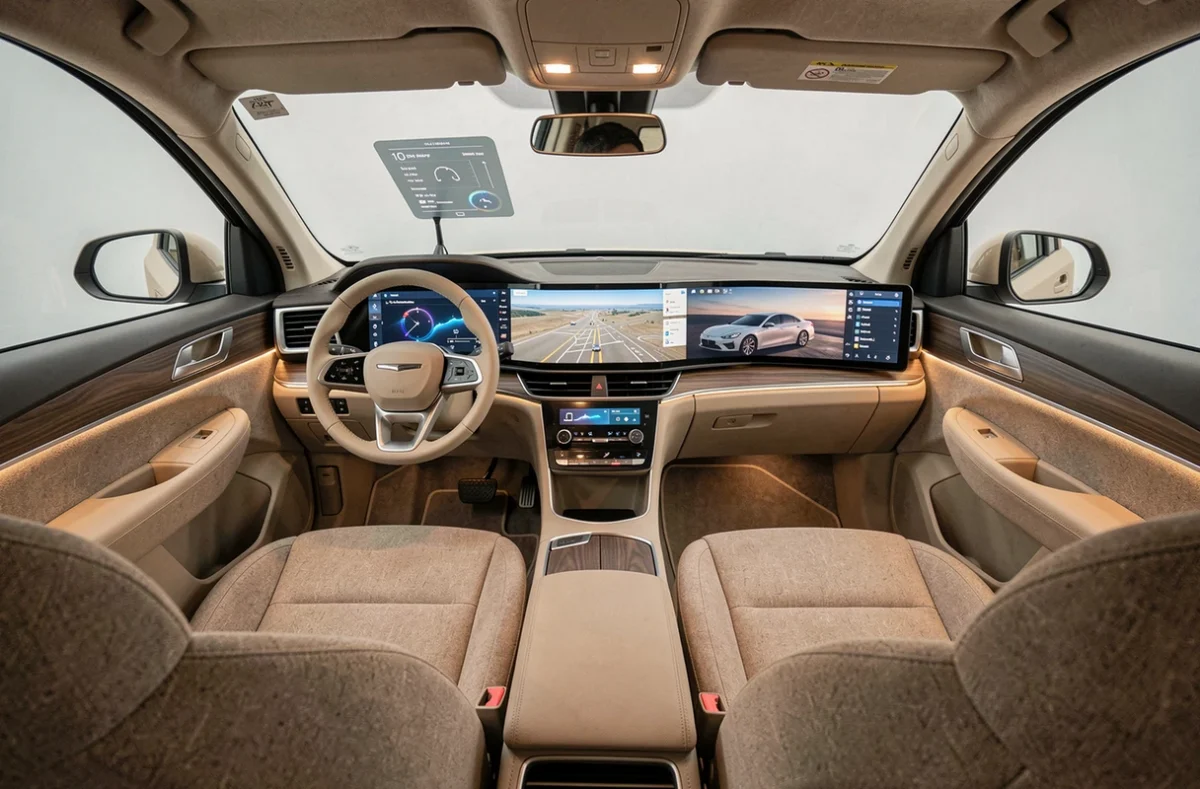
The automotive industry in 2024 is not transforming solely through its engines or interiors. Cybersecurity standards, the regulatory framework for charging, and the prospect of vehicles capable of returning energy to the grid redefine the role of the car in a broader ecosystem. The vehicle becomes as much a software object as a mechanical one, with follow-up obligations extending well beyond the dealer’s exit.