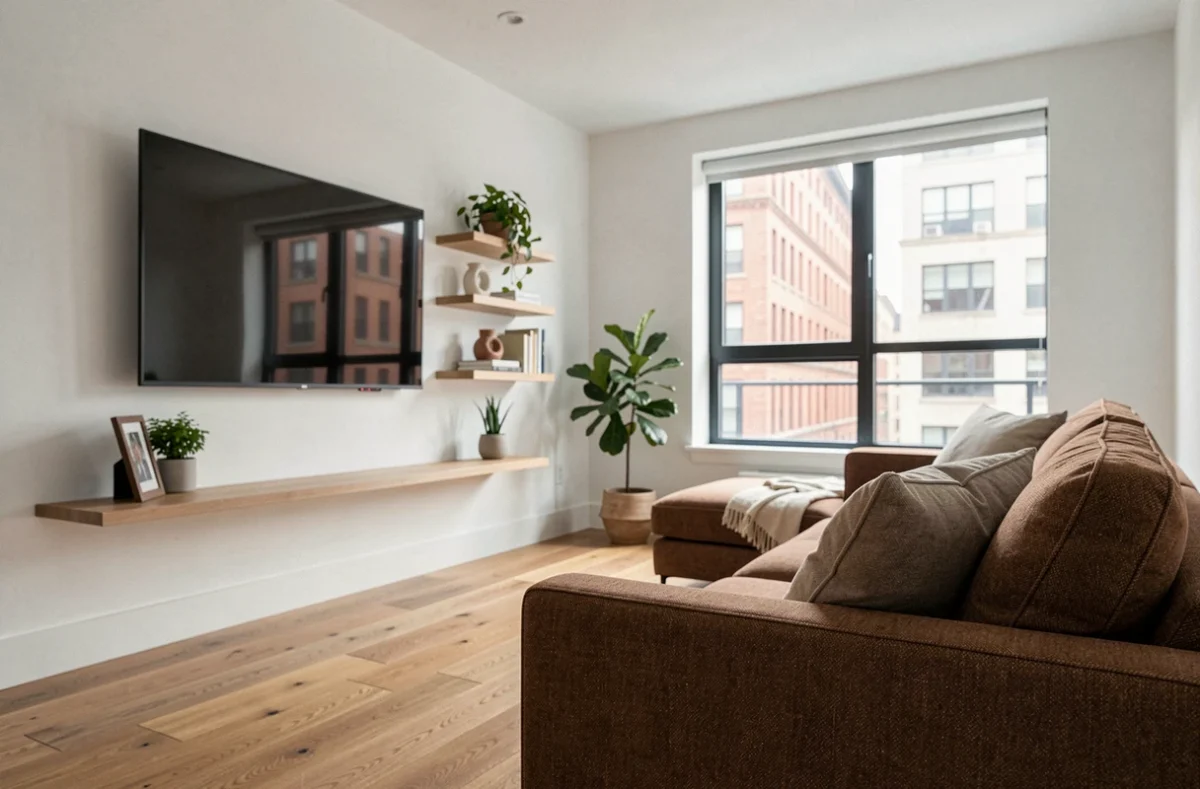
The indoor equipment market is no longer limited to furniture and paint colors. Behind the term “modernizing your interior,” a growing part of the demand focuses on equipment that affects the actual comfort of the home: air quality, ventilation, adaptive lighting. Competing articles largely address decorative makeovers but overlook a technical issue that nonetheless conditions daily quality of life in a renovated or reconfigured space.
Indoor air quality: the equipment criterion that decor ignores
Repainting a wall or changing a light fixture alters the appearance of a room. None of these actions change the composition of the air you breathe at night. Indoor air quality has become a standalone equipment criterion, driven by the arrival of home sensors capable of measuring CO₂, humidity, fine particles, or volatile organic compounds (VOCs).
These sensors mainly provide trends and do not replace regulatory measurements. However, they allow for identifying moments when the air deteriorates, for example, in the kitchen after gas cooking or in a closed bedroom after several hours of sleep. A VOC sensor identifies invisible peaks to the eye and nose.
This point has a direct consequence on the choice of equipment: a simple portable air purifier does not meet the same need as a dual-flow ventilation system controlled by sensors. The former filters air in a closed circuit, while the latter renews the home’s air by recovering heat. Confusing the two is akin to comparing a desk fan with a ducted air conditioning system.
Browsing the equipment offered by Tip Top Déco et Maison, we see that the categories now mix thermal comfort, lighting, and accessories related to ambient air, reflecting this market evolution.
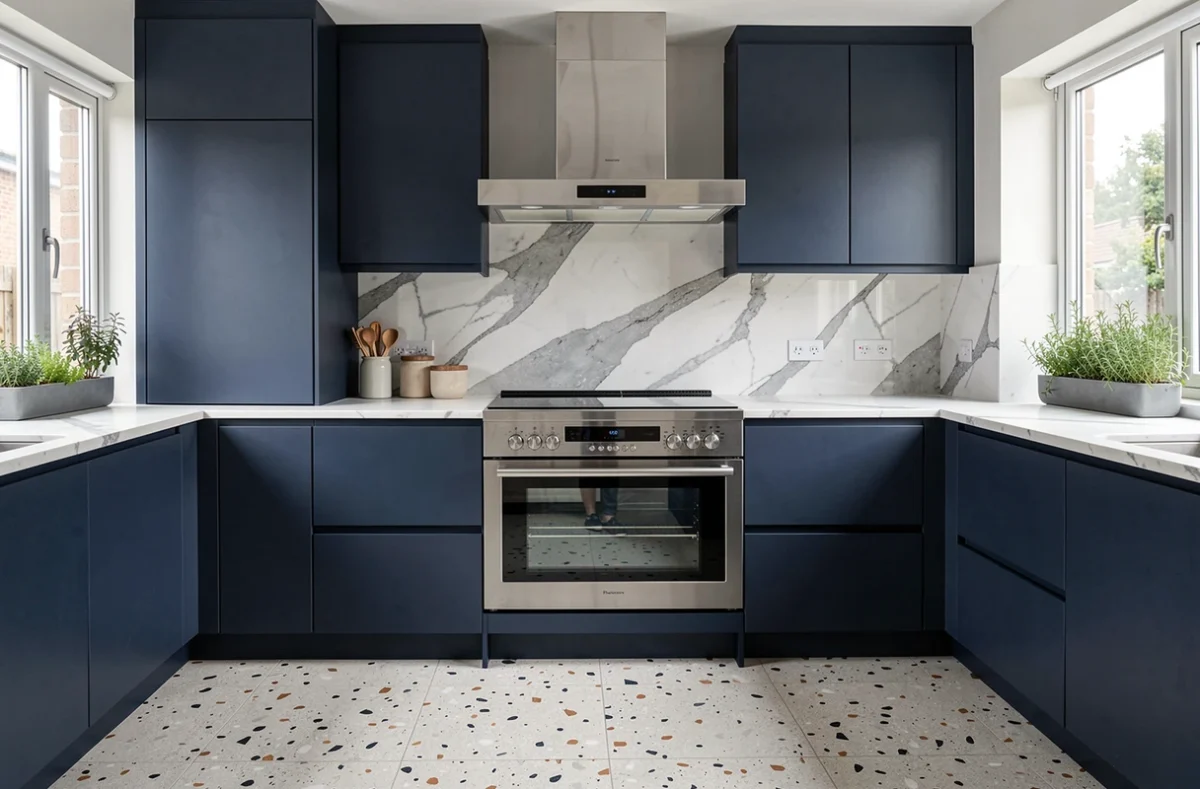
Smart ventilation: beyond simple humidity control
Most French homes are equipped with a humidity-controlled ventilation system that adjusts its flow rates based on humidity. This system has proven effective in preventing condensation and mold. However, it remains blind to CO₂ and fine particles.
A ventilation system controlled by multiparameter sensors adjusts its flow rates based on the actual air quality. Some models integrate CO₂, humidity, and VOC sensors into the extraction vents and modulate the flow room by room.
Field feedback diverges on one point: the actual comfort gain perceived by occupants varies according to the type of housing. In a well-insulated recent apartment, increased airtightness makes active ventilation necessary. A better-insulated house requires better-controlled ventilation, otherwise, the air deteriorates faster than in an older building that is naturally permeable.
Maintenance: the weak link
A poorly maintained ventilation system loses a significant part of its effectiveness. Practical recommendations include regularly cleaning the extraction vents and keeping the ventilation system running, even in winter. Turning off the ventilation system to avoid cold drafts is a common reflex that quickly degrades indoor air quality.
- Clean the extraction vents and air inlets at least twice a year, vacuuming the dust accumulated on the grilles.
- Never obstruct the air inlets of windows, even in cold weather: they are part of the renewal circuit.
- Have the motor unit and ducts checked by a professional every three to five years to detect leaks or internal blockages.
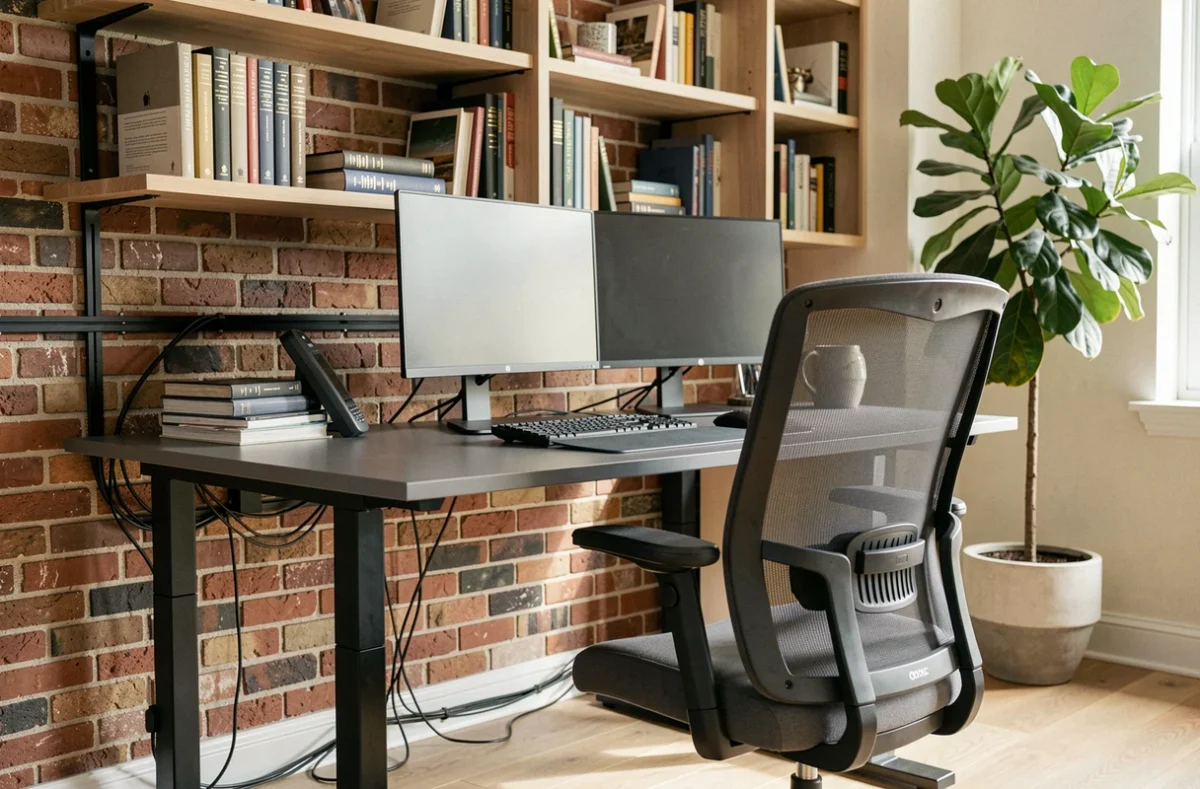
Adaptive lighting and visual comfort in the living room and kitchen
Lighting is the only equipment that simultaneously affects decorative ambiance and physiological comfort. A living room lit by a single cold light ceiling fixture strains the eyes and flattens the volumes. The same space, equipped with multiple sources at variable temperatures, radically changes character depending on the time of day.
Well-thought-out lighting combines at least three sources per room: general diffuse lighting, functional lighting (kitchen work surface, reading corner in the living room), and accent lighting to highlight a wall, a painting, or a niche. This layered lighting approach is used in interior architecture but is rarely transposed into mainstream decorative guides.
Connected systems now allow for programming lighting scenarios that follow the circadian rhythm: bluish and intense light in the morning, warm and dim tones in the evening. The available data do not allow for a conclusion on a measurable benefit for sleep, but the visual comfort perceived by users is regularly mentioned in feedback.
Wet rooms: bathroom and kitchen
In the bathroom, lighting must meet normative constraints related to electrical safety zones (volumes 0, 1, and 2 around the shower and bathtub). In the kitchen, under-cabinet lighting provides appreciable functional comfort for properly distinguishing foods and textures during preparation.
- Prefer LED sources with adjustable temperature to adapt the ambiance of the same room according to use.
- In the kitchen, install dedicated lighting for the work surface, independent of the ceiling fixture, to avoid shadowy areas during preparation.
- In the bathroom, check the IP rating of the fixture based on its distance from the shower before any purchase.
Interior renovation: choosing equipment before finishing
Most renovation projects address technical equipment (ventilation, recessed lighting, connected outlets) after selecting coverings and furniture. Reversing this order avoids costly rework and technical compromises. Running an additional electrical circuit after installing solid wood flooring, for example, involves removing part of the floor or resorting to visible conduits.
Planning the placement of ventilation outlets, recessed lights, and outlets before finalizing the finishing plans also allows for properly sizing each piece of equipment based on the actual volume of the room. A living room light designed for a 25 m² space does not function the same way if a partition reduces the area to 18 m².
Modernizing an interior relies as much on what is visible as on what can be measured. A comfortable home is based on equipment chosen for their performance, not just for their appearance. The next time you consider refreshing a room, starting with ventilation and technical lighting before painting could permanently change your daily comfort.