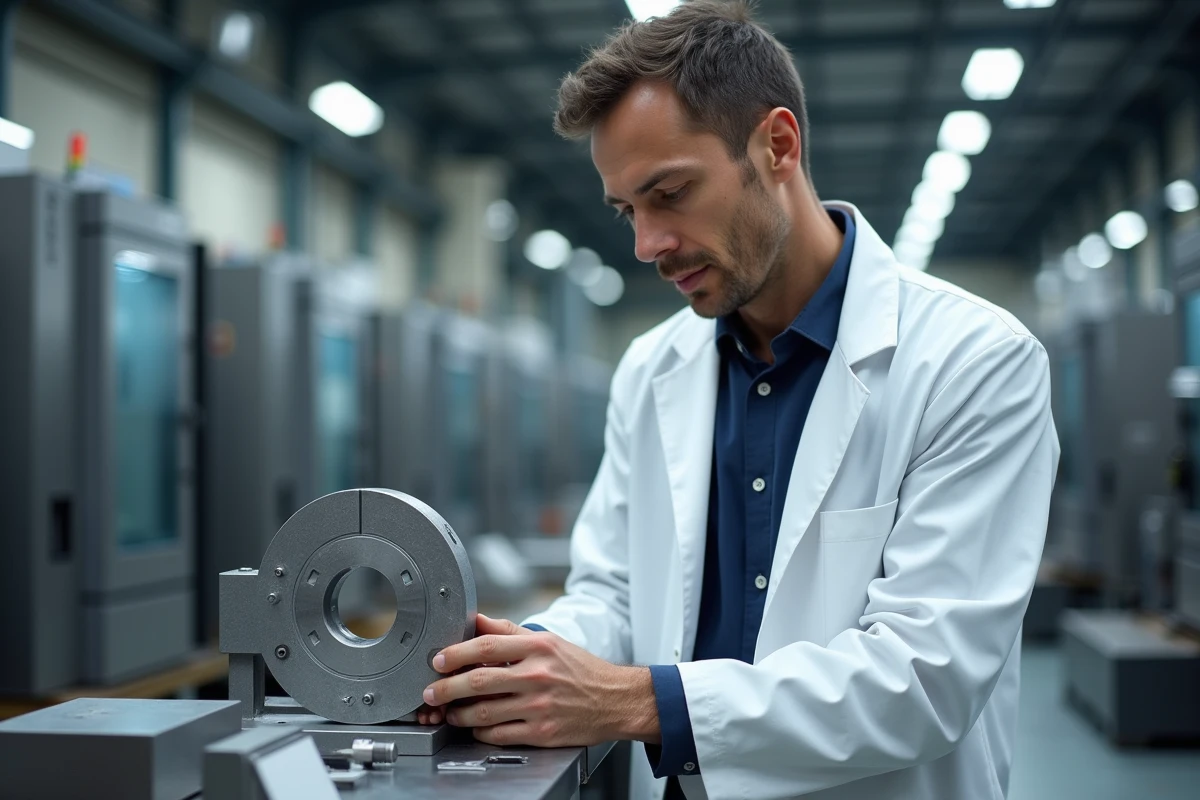
On an automotive parts machining line, an operator notices that the supervisory software has autonomously modified the cutting parameters after detecting an abnormal micro-vibration on the spindle. No machine stoppage, no human intervention: the correction was made in a few milliseconds.
This type of scenario, still rare three years ago, is becoming common in workshops equipped with connected sensors and learning algorithms. Trends and innovations in the mechanical industry are no longer limited to trade show announcements. They are transforming the daily lives of production teams.
Digital product passport: what it concretely changes in mechanical workshops
The European regulation on the eco-design of durable products (ESPR) is gradually imposing a digital passport for mechanical components. Starting in 2025, several European industrial groups, particularly in Germany and Italy, are testing pilots where each critical sub-assembly carries a unique identifier (QR, RFID, or NFC chip).
This identifier links to a database that contains material composition, maintenance history, repair instructions, and end-of-life guidelines. For a machining workshop, this means revisiting the design of parts right from the design office to integrate this traceability.
You can read the latest news on Actu Mécanique to follow the evolution of these regulatory obligations and their implementation schedule by sector.
The impact on supplier choices is direct. A subcontractor unable to provide traceability data risks being excluded from tenders, even if their prices remain competitive. Feedback varies on the actual administrative burden, but pilot companies report that data collection extends the qualification phase of parts by several weeks.
Frugal mechanics: simplifying machines for greater robustness
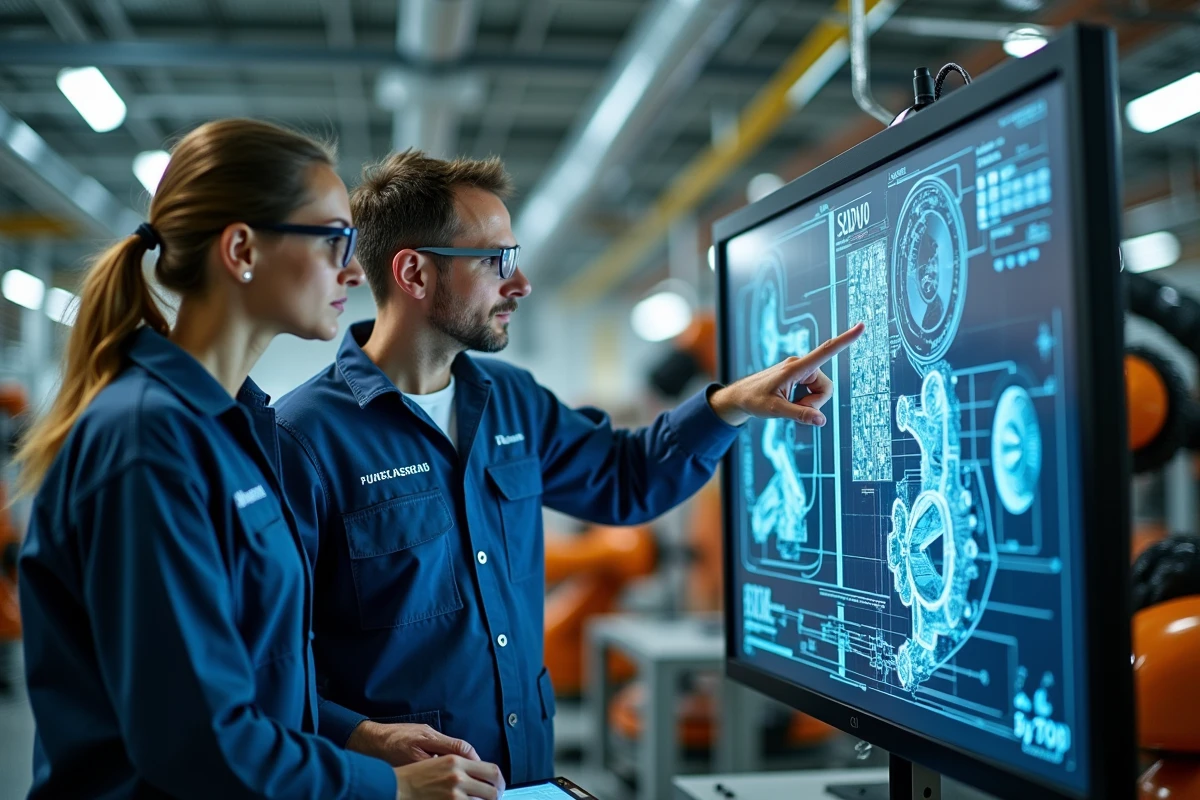
The rise in energy costs and supply tensions on certain electronic components have led design offices to take the opposite path of sophistication. This is referred to as frugal mechanics: deliberately reducing the number of actuators, limiting sensors to the bare minimum, and reverting to simpler mechanical architectures.
The idea is not to abandon technology. It consists of designing machines whose maintenance does not depend on a component that is hard to find in the event of a logistical crisis. In practice, we see manufacturers replacing complex servo-electric systems with modernized pneumatic or hydraulic solutions that are easier to repair on-site.
This approach questions the usual reflex of “always more connected.” A simple, well-sized machine with standard wear parts sometimes performs better than equipment loaded with technologies, half of which remain underutilized. Manufacturers adopting this logic particularly target SMEs and production sites located far from technical service centers.
Artificial intelligence and predictive maintenance in machining
Artificial intelligence is no longer limited to optimizing logistical flows. In machining, it operates at three concrete levels:
- Dynamic correction of cutting parameters: algorithms analyze vibrations, temperature, and cutting force in real-time to adjust feed and speed without stopping production.
- Early detection of tool wear: instead of replacing a tool on a fixed schedule, the system triggers the change when sensor data indicates measurable degradation. This reduces waste of still functional tools while avoiding breakages.
- Predictive analysis of quality defects: production data feeds models that identify dimensional drifts before they exceed tolerances.
The report “Priority Technologies in Mechanics 2030,” coordinated by Cetim and Mecallians, ranks these technologies among the priorities for the sector’s competitiveness in the medium term. The challenge for medium-sized workshops remains the cost of integration: sensors and software exist, but their deployment requires a reliable network infrastructure and data processing skills that many teams do not yet possess.
Metal additive manufacturing: beyond rapid prototyping
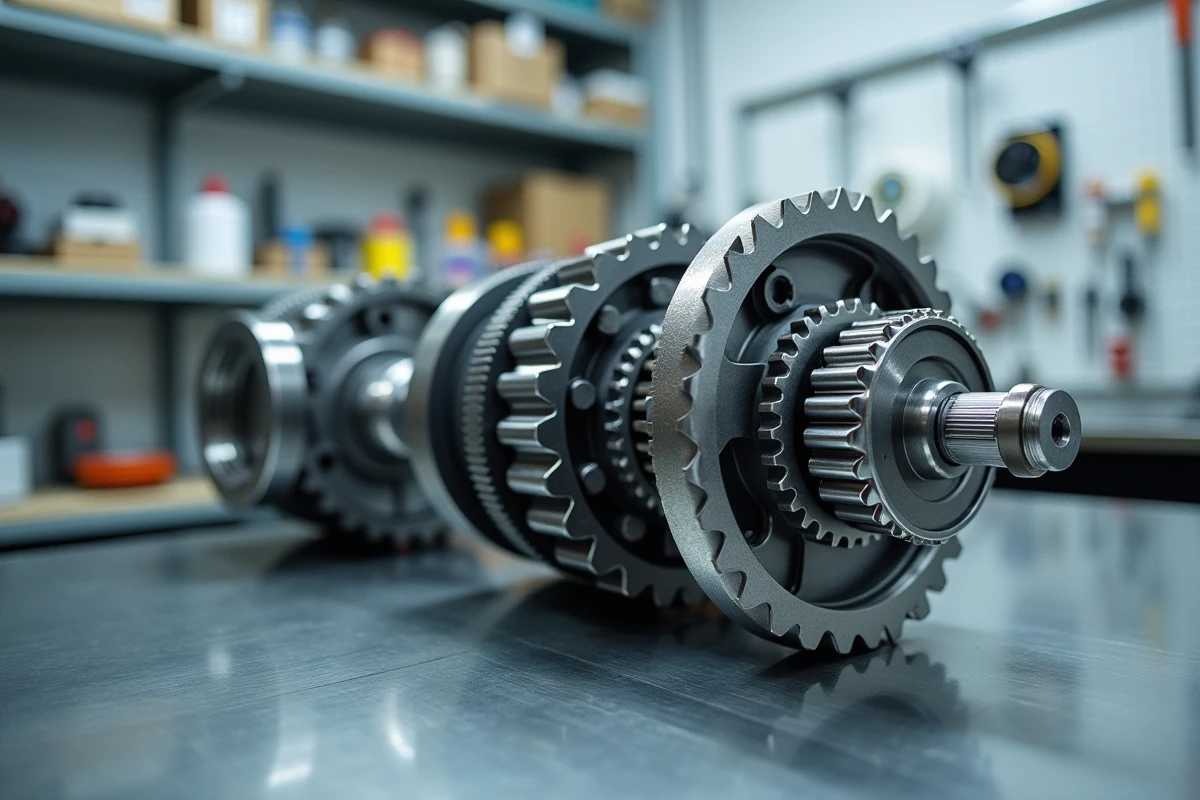
Metal additive manufacturing has long been confined to prototyping. It is now found in series production of complex geometry parts, particularly in aerospace and medical applications. What changes for general mechanics is the arrival of hybrid machines that combine 3D printing and finishing machining on the same equipment.
These systems allow material to be deposited where needed, then machine the functional surfaces to the required precision. The gain is particularly noticeable on high-value parts where traditional material removal generates a high scrap rate. Additive manufacturing reduces the “buy-to-fly” ratio on expensive alloys such as titanium or nickel superalloys.
However, real limits remain: the deposition speed is slow compared to conventional machining, the qualification of parts requires rigorous non-destructive testing protocols, and the cost of metal powders remains high. For a mechanical SME, the investment is justified in niches, not in mass production.
Materials and coatings: cutting tools are reinvented
Innovations in cutting materials accompany these changes. Next-generation PVD and CVD coatings improve the thermal stability of inserts, allowing for higher cutting speeds on treated steels and refractory alloys. We are also seeing the emergence of optimized ceramic-metal substrates (cermets) for dry machining, reducing the consumption of cutting fluids.
Dry machining or micro-lubrication is progressing in workshops concerned with limiting effluent treatment and oil consumption. Cutting equipment suitable for these conditions was rare five years ago; today, it covers a wider range of machined materials.
Industrial mechanics is advancing on several simultaneous fronts, from regulatory with the digital passport to operational with embedded AI and hybrid additive manufacturing. Investment choices depend on the size of the workshop, the type of parts produced, and the digital maturity of the teams. Each technology brings a real gain, provided it is sized to the need and not to the current trend.