Measuring animal diversity means comparing orders of magnitude that vary according to phyla, environments, and chosen criteria. The number of known species represents only a fraction of life, and recent discoveries about animal consciousness are reshaping the hierarchy between so-called “simple” and “complex” species. This article compares the major groups of the animal kingdom through their biological characteristics and then analyzes how the latest scientific advancements change our understanding of animal diversity.
Reptiles, amphibians, and invertebrates: underestimated biological gaps
Discussions about animal diversity often focus on mammals and birds. However, reptiles and amphibians remain among the groups where the gaps in adaptive strategies are most pronounced.
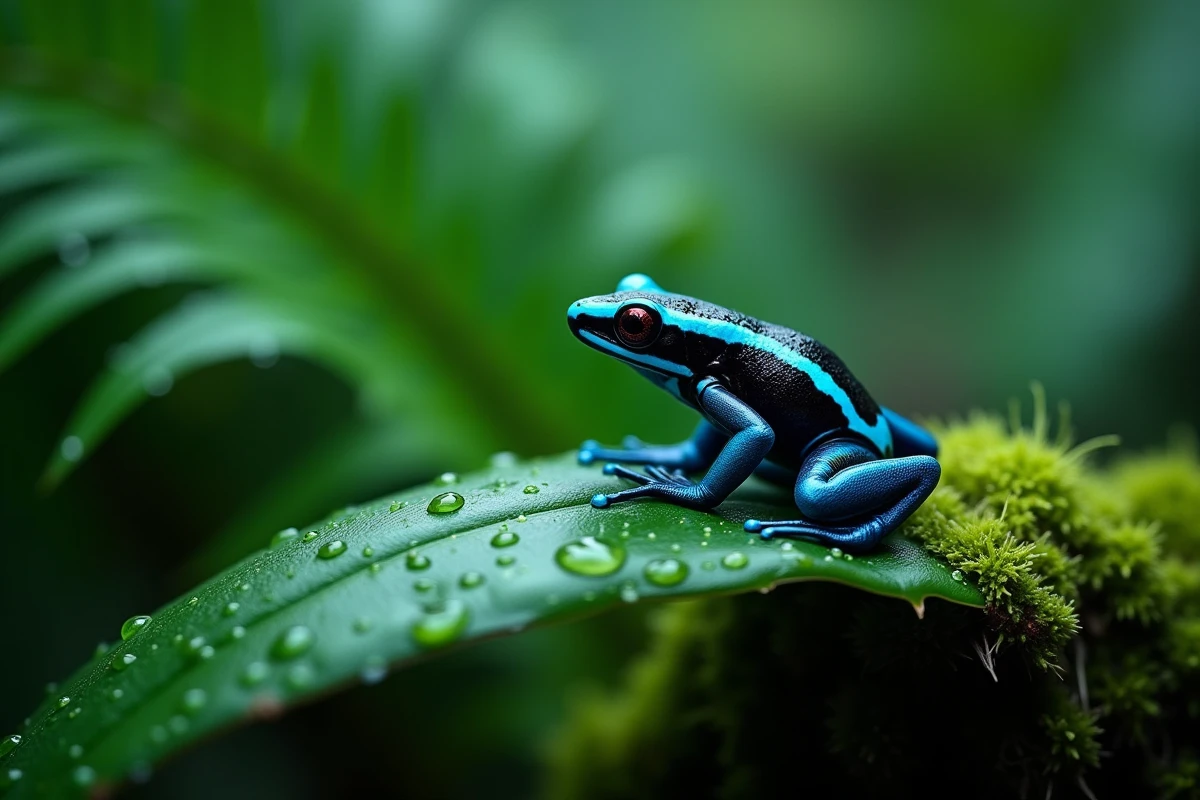
A crocodilian regulates its temperature by moving between water and land, while an arboreal gecko uses microscopic adhesive lamellae to move on vertical surfaces. These two reptiles share a phylum but have almost nothing in common behaviorally.
Zoodyssée, an animal park located in Nouvelle-Aquitaine, offers a course dedicated to European reptiles and amphibians, highlighting species that the general public rarely associates with the notion of local biodiversity. It features amphibians whose reproductive cycles depend on increasingly threatened micro-habitats.
Detailed fact sheets on the biology and behaviors of many species are compiled on the AlmAnimal website, covering mammals, arthropods, and fish.
Comparison of major animal groups: differentiation criteria
The table below compares four major groups of the animal kingdom according to biological criteria that illustrate their fundamental differences.
| Group | Thermoregulation | Nervous system | Main environment | Notable feature |
|---|---|---|---|---|
| Mammals | Endothermic | Developed brain, neocortex | Terrestrial, aquatic | Lactation, prolonged parental care |
| Birds | Endothermic | Developed pallium | Aerial, terrestrial | Active flight, long-distance migration |
| Reptiles | Ectothermic | Simpler brain | Terrestrial, aquatic | Keratinized scales, oviparous laying |
| Cepahlopods | Ectothermic | Decentralized nervous system | Marine | Three hearts and a distributed neural network |
This comparison highlights a often overlooked point: the complexity of the nervous system does not follow a linear scale. Cephalopods, marine invertebrates, possess a decentralized neural network with ganglia in each arm, capable of processing information locally without going through a central brain.
Birds, long considered cognitively limited, have a pallium with a neuronal density that exceeds that of many mammals of comparable size. The African grey parrot can reproduce nearly 1,000 different words, which goes beyond simple imitation to touch on the contextual use of language.
Animal consciousness: what science has recently redefined
The work of Jonathan Birch and his colleagues, published in Animal Sentience in 2024 under the title “The Cambridge Declaration after 10 Years: Developments in Animal Consciousness Science,” has profoundly changed the analytical framework. Their review concludes with a high probability that many species experience pain, pleasure, and basic emotions.
This conclusion does not only concern primates or dolphins. It extends to fish, cephalopods, and certain arthropods, redistributing the hierarchy of animals as it was still taught ten years ago.
Elephants participate in funeral rituals for their deceased companions, a documented behavior that implies a form of social and emotional memory. Pigs, on the other hand, understand the concept of reflection in a mirror by six weeks, placing their early cognitive development above that of several primates at the same age.
- Chimpanzees share nearly all of their genetic heritage with humans, which explains their ability to recognize intentions in others.
- Corvids (crows, magpies) create and use tools, a behavior long attributed only to primates.
- Leafcutter ants cultivate underground fungal gardens, a form of agriculture that appeared long before that of the human species.
Animal cruelty law: when science modifies regulation
In France, the law of November 30, 2021, aimed at combating animal cruelty, saw its implementing decrees fully come into force in 2024-2025. The Ministry of Ecological Transition has explicitly linked these measures to scientific advancements regarding the sensitivity and behavioral needs of wild animals.
Two concrete measures illustrate this connection between science and law:
- Gradual ban on the captivity of wild animals in traveling circuses, based on data showing that transport and confinement conditions generate chronic stress incompatible with the biological needs of these species.
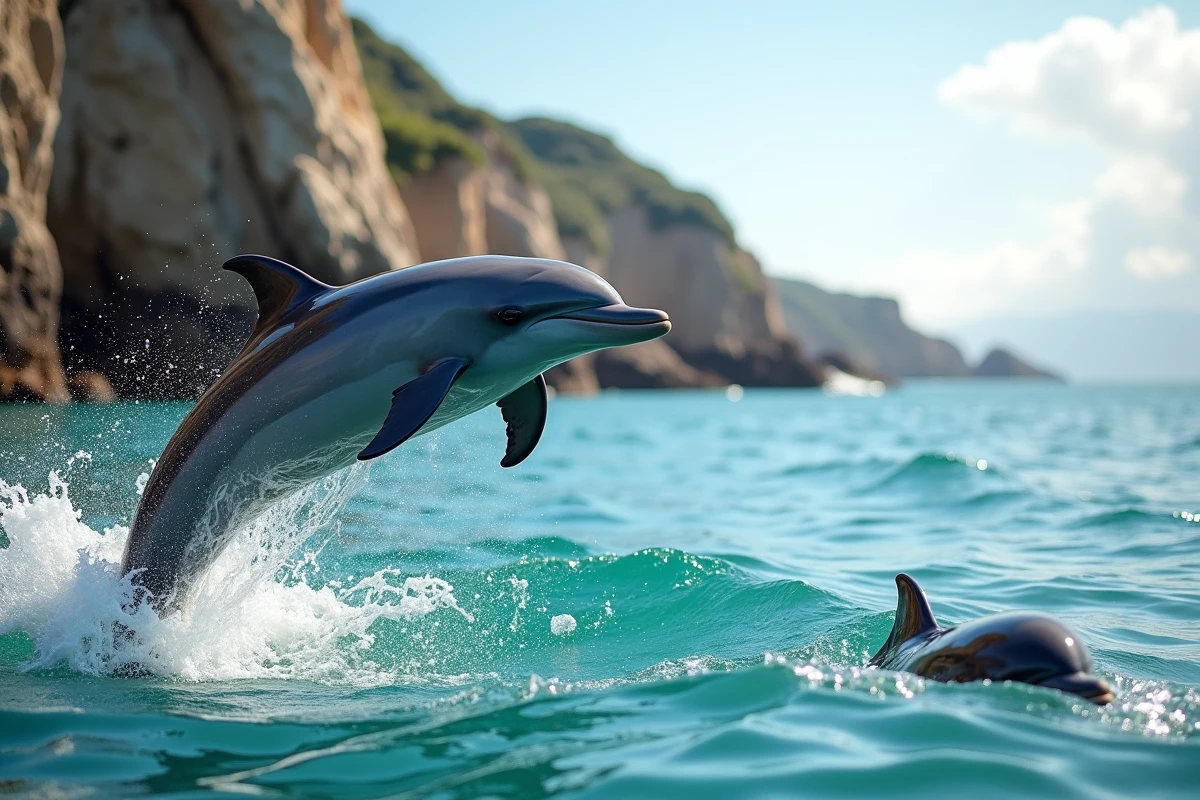
- Scheduled closure of marine parks, motivated by research on the cognitive and social capabilities of cetaceans, which require spaces and interactions impossible to replicate in captivity.
- Strengthening controls on the possession of exotic species by individuals, with updated lists based on knowledge about the welfare of each taxonomic group.
This regulatory evolution reflects a paradigm shift: biodiversity is no longer limited to counting species, it now integrates the individual quality of life of each animal into the equation.
Data on animal consciousness and sensitivity continue to accumulate. The boundary between “protected” species and “negligible” species recedes as research progresses, and the French regulations of 2024-2025 show that these scientific results are ultimately reflected in the law. The perspective on animal diversity today depends as much on taxonomy as on ethology and neuroscience.