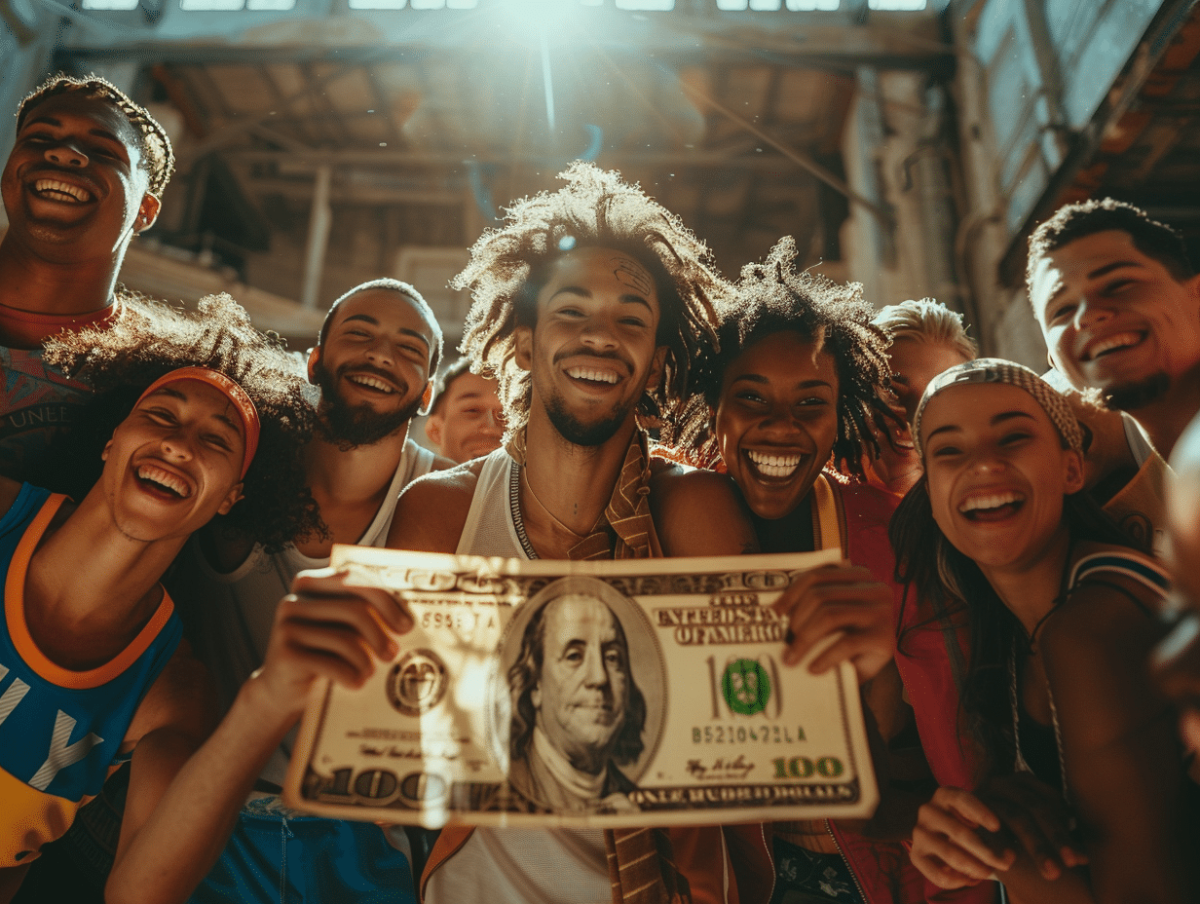
Wage gaps in professional sports have always generated significant interest and debate. In 2024, this issue is more pressing than ever, particularly in light of new broadcasting and sponsorship contracts that have emerged. Athletes in traditionally lucrative sports, such as football and basketball, continue to sign astronomical contracts, while other sports struggle to offer comparable salaries. The influence of international competitions, individual performances, and the fame of athletes are key factors in this financial dynamic. Gender disparities remain a sensitive issue, despite progress made towards greater equity.
Disparities and Factors Influencing Salaries in Professional Sports
Compensation in professional sports is a revealing prism of inequalities and sector dynamics. Take the example of karate, represented by the eminent Steven Da Costa, Olympic champion, who benefits from a professional integration agreement with SNCF. This collaboration illustrates an alternative compensation strategy, necessary in less publicized sports. The National Sports Agency (ANS) is committed, in this regard, to ensuring a minimum income threshold for high-level athletes in view of the Paris 2024 Olympic Games, thus addressing the precariousness highlighted during the previous games where 40% of athletes were below the poverty line.
Salary disparities between sports are glaring. While football remains the highest-paid sport, athletes like Mathilde Pétriaux, goalkeeper for the French field hockey team, often have to juggle multiple jobs to make ends meet. The reality of this sport, which is less exposed in the media and therefore less lucrative, leads to situations where hours of home assistance coincide with rigorous training. This professional duality reflects a market where compensation is inextricably linked to visibility and popular support.
In the context of the Paris 2024 Olympic and Paralympic Games, MP Claudia Rouaux reports salary increases within the management of the Olympic Games Organizing Committee (Cojop), contrasting with the situation of athletes. This dichotomy raises questions about the criteria for valuing skills and the sharing of sports revenues. Maguy Nestoret Ontanon, advisor to the socio-professional unit of the ANS, emphasizes the need for in-depth reflection on compensation strategies in professional sports and on mechanisms for the fair redistribution of resources generated by large-scale international events.

Economic Impact and Future Prospects for Professional Athletes
The economic impact of the Paris 2024 Olympic and Paralympic Games on athletes’ careers is as undeniable as it is complex. The Paris 2024 Olympic and Paralympic Games Organizing Committee (Cojop), led by Tony Estanguet, faces a dual challenge: to make savings to balance its budget while ensuring a fair and sustainable valuation of professional athletes. In this perspective, Cojop must navigate between financial constraints and the aspiration to leave a positive legacy for the future of sports in France.
On one hand, figures like Michel Cadot, inter-ministerial delegate for the Olympic and Paralympic Games, are working towards a long-term vision where current investments in infrastructure and sports promotion will translate into an improved standard of living for athletes. On the other hand, the volatile and often ruthless sports labor market raises questions about the security of post-Olympic careers. Athletes, like other workers, seek stability and recognition that extend beyond the ephemeral period of competitions.
The future prospects for professional athletes will therefore depend on the ability of governing bodies to integrate a more holistic approach to career development. Recent controversies surrounding Tony Estanguet’s compensation prompt broader reflection on salary disparities within the sports ecosystem and the need for structural reforms. Europe, in particular, with its support policies for athletes, could offer a reference model for France post-2024, where the economy of professional sports would be both fairer and more sustainable.