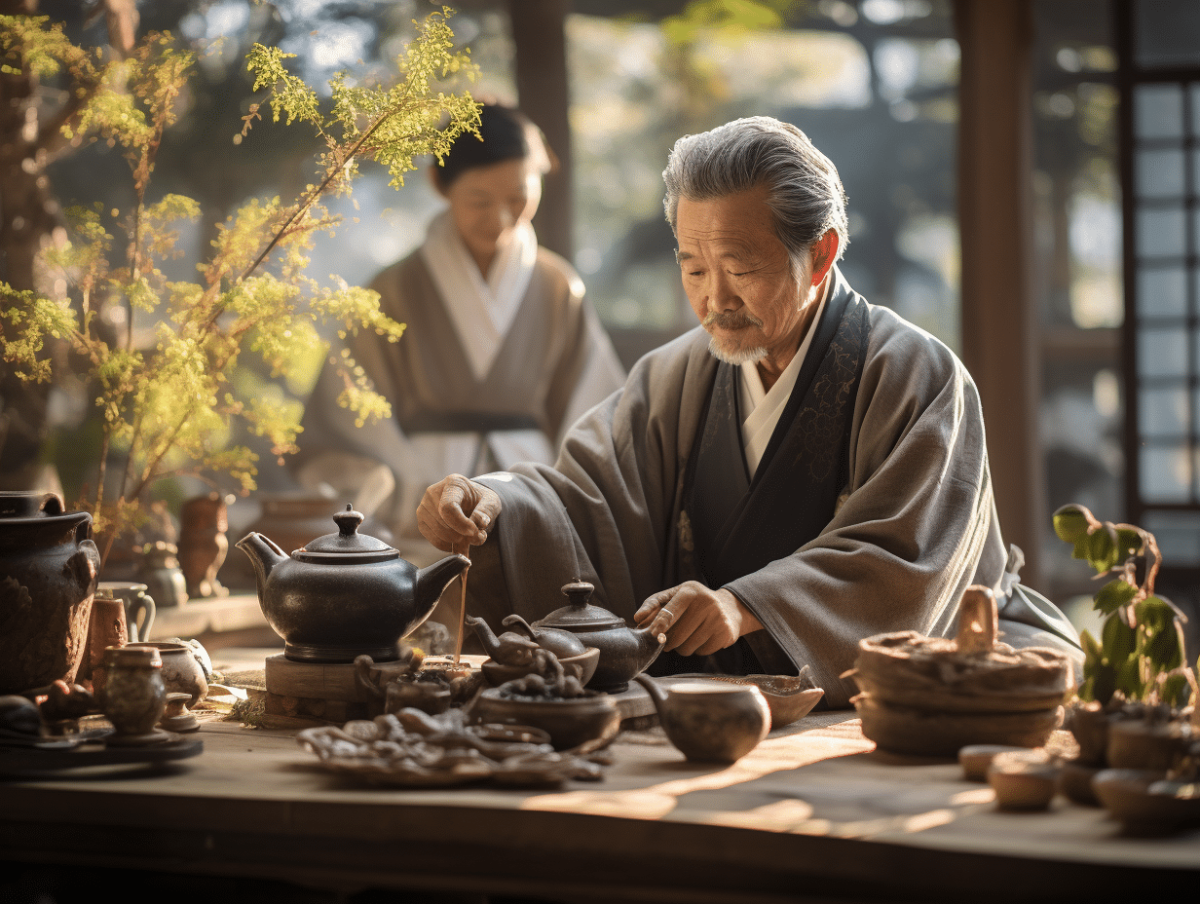
Throughout the ages, ancestral traditions have often sought to explain the mystery of nighttime awakenings. These interruptions in sleep, which modern science attributes to circadian rhythms, were interpreted in various ways depending on the cultures. Explanations ranging from supernatural visits to messages from ancestors, as well as divine signs or omens, were common. Today, despite our deepening understanding of sleep, interest in these traditional interpretations persists, proposing a fascinating dialogue between science and folklore, and offering insight into how our ancestors perceived and made sense of their interrupted nights.
Circadian Rhythms: Understanding Our Biological Clock
Contemporary science has established that circadian rhythms are 24-hour biological cycles that govern our phases of sleep and wakefulness, influencing multiple physiological functions. The biological clock, located in the hypothalamus, orchestrates these rhythms by primarily responding to variations in light. Regulating the sleep-wake cycle proves to be a delicate synchronization, where any disruption can lead to nighttime awakenings. These awakenings, considered a natural phenomenon resulting from a temporary imbalance or imperfect synchronization, raise questions about their frequency and the regularity of waking up at the same time each night without any apparent external reason.
Researchers agree that these sleep interruptions can be linked to various factors: stress, diet, physical activity, or sleep disorders like insomnia. These awakenings can also be influenced by our immediate environment, such as the comfort of bedding or the temperature of the room. When these nighttime awakenings occur at fixed times, some ancestral traditions see complementary explanations. For example, waking up at 4 AM, meaning in Chinese medicine, would reflect an energetic imbalance affecting certain organs or bodily functions.
From the perspective of Chinese medicine, nighttime awakenings are closely related to the circulation of Qi, the vital energy flowing through the body. According to this ancient tradition, each organ has peak activity times when Qi is supposed to flow through it with greater intensity. A nighttime awakening could therefore indicate a disruption in the flow of energy, requiring attention and potentially correction through practices such as acupuncture, medicinal herbs, or lifestyle adjustments. These explanations, although distant from scientific interpretations, open a dialogue between current knowledge about sleep cycles and the wise observations of ancient traditions.

Nighttime Awakenings in Ancestral Traditions
Within the framework of Chinese medicine, nighttime awakenings are interpreted as signals that the body is trying to communicate. It rests on the idea that Qi, this omnipresent vital energy, must circulate freely to ensure health and well-being. Disruptions in this flow would be the source of many ailments, including sleep interruptions. A recurring awakening at a specific time during the night could indicate a specific imbalance related to the organ or bodily function associated with that time according to the energy cycle.
Nighttime, according to this system of thought, is when the body dedicates itself to detoxification and regeneration. Each organ, following a strict schedule, activates to purify and repair itself. Nighttime awakenings are then perceived as an interruption of this process, suggesting an overload or weakness in the affected organ. Keep in mind that the hours between 1 AM and 3 AM are traditionally associated with the liver, a time when this organ is supposed to regenerate. Waking up during this time frame could therefore reflect a hepatic imbalance.
Beyond the borders of China, other ancient cultures have their own interpretations of nighttime awakenings. These traditions often emphasize the balance between the physical and the spiritual, considering sleep as a modified state of consciousness conducive to receiving inner or outer messages. Consider the ancestral tales where dreams and awakenings were interpreted as omens or communications with the divine, clues to decipher for guiding individuals on their life path.
In the quest for harmony between body and spirit, some traditions suggest the use of dietary supplements to support the main organs during their nighttime detoxification period. These practices, inherited from millennia of experience, are passed down from generation to generation, enriching the heritage of natural health. Traditional medicines, far from being relics of a bygone past, continue to inspire and guide towards lifestyles in search of balance and well-being.